Firestick vs. Apple TV vs. Android Box: Which Hardware Has the Best Streaming Codecs?
UI design and remote controls matter, but the true performance of a streaming device comes down to its SoC and its native ability to decode modern video codecs without lag.

UI design and remote controls matter, but the true performance of a streaming device comes down to its SoC and its native ability to decode modern video codecs without lag.
Updated: June 202614 min read
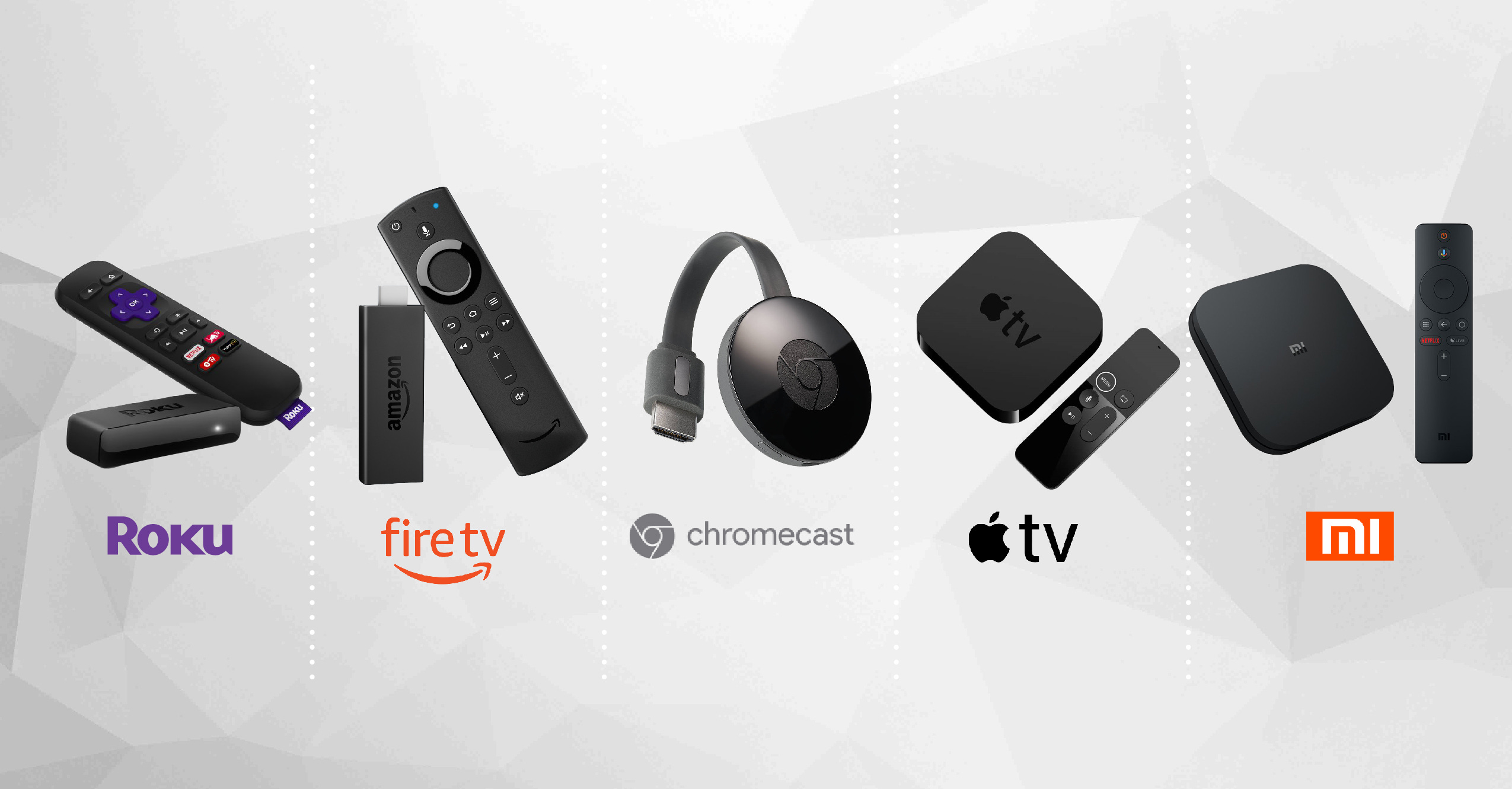
Choosing a streaming device today is overwhelming. The Amazon Fire TV Stick line, the Apple TV 4K, and a flood of Android TV boxes all promise “the best 4K streaming experience.” But once you peel back the marketing, the real differentiator is not the remote, the OS, or the app store. It is the System on a Chip (SoC) and its native codec support.
If you watch IPTV, live sports, or high-bitrate 4K HDR content, the device’s ability to hardware-decode modern video compression formats determines whether your stream plays smoothly or stutters on every fast-moving scene. This guide breaks down the three contenders on what actually matters: codec support, hardware acceleration, and real-world streaming stability.
The Breakdown of Key Streaming Codecs
A video codec is a compression standard that shrinks raw video data so it can travel over the internet. The player on your device then decompresses it in real time. If the SoC has a dedicated hardware decoder block for the codec being used, decompression happens at near- zero CPU cost. If it does not, the CPU must handle it in software, causing heat, fan noise, frame drops, and battery drain.
The Three Major Codecs
CodecFull NameBitrate Saving vs. H.264StatusH.264 (AVC)Advanced Video CodingBaselineLegacy — still widely usedH.265 (HEVC)High Efficiency Video Coding~40-50 %Current standard for 4K IPTVAV1AOMedia Video 1~30 % vs. HEVCFuture-proof; royalty-free
For IPTV in 2026, H.265 (HEVC) is the dominant codec. Most 4K live channels and VOD content use it. AV1 is growing, but hardware decoder support remains limited to newer generation SoCs.
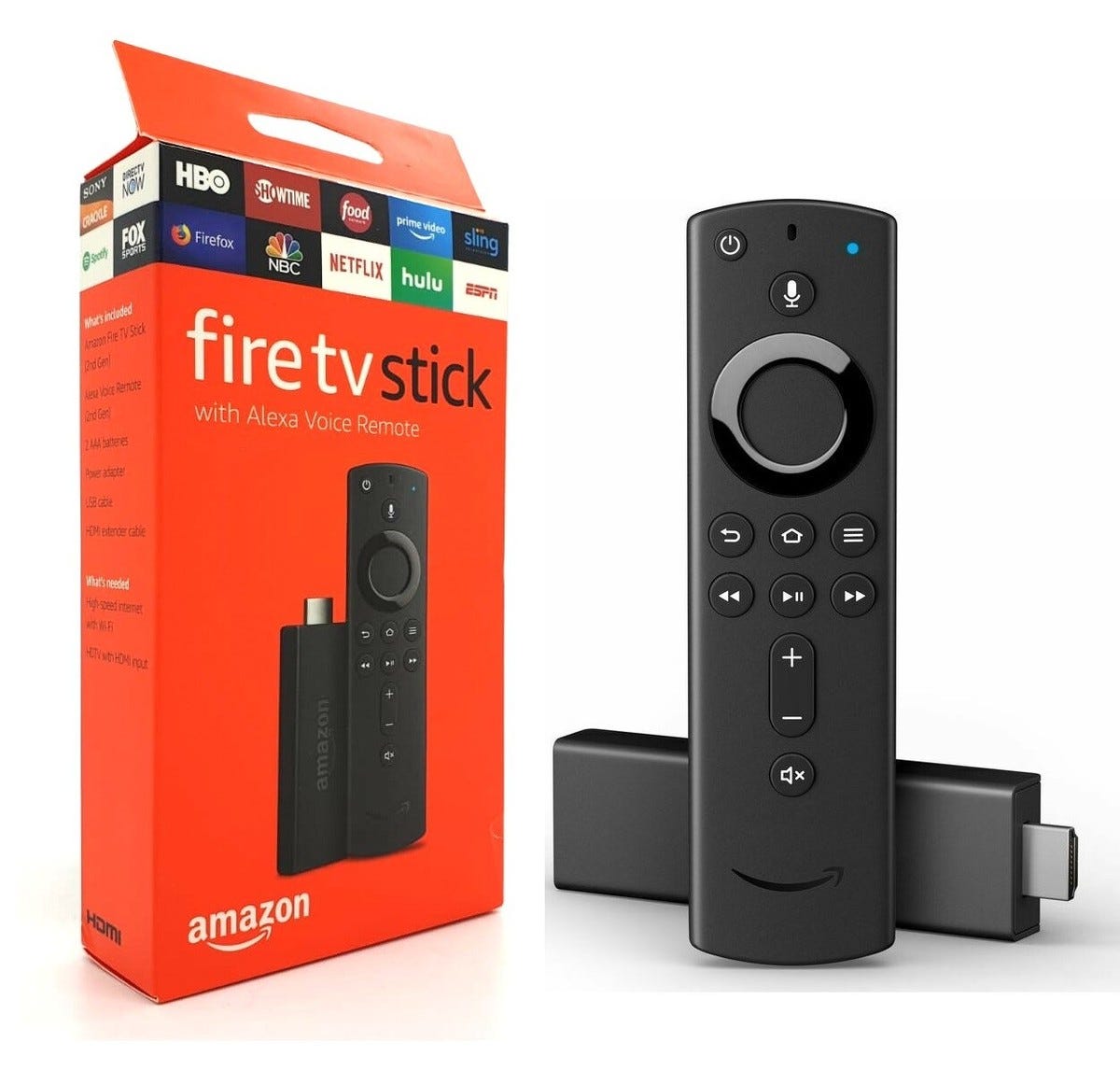
Contender 1: Amazon Fire TV Stick Suite (Max & Cube)